

๐Ÿ—ž๏ธ News

STEM + MED, ์ด๊ณต๊ณ„ ์ตœ์ƒ์œ„ ์—˜๋ฆฌํŠธ๋“ค์ด ์ง€๋„ํ•˜๋Š” ์ƒ์œ„ 0.1% ๋‹คํ•™์ œ ๋ฆฌ์„œ์น˜ ์ŠคํŠœ๋””์˜ค

๋ฏธ๋„ค๋ฅด๋ฐ”ํ”„๋ ™์€ ๋ฉ”์ธ ๊ฐ•์‚ฌ์ง„์ด ์˜์žฌํ•™๊ต, ๊ณผํ•™๊ณ ๋ฅผ ์กธ์—…ํ•˜๊ณ  SKP ์ด๊ณต๊ณ„ ์ˆ˜์„ ๋ฐ ์ตœ์šฐ๋“ฑ ์กธ์—…, ์˜๋Œ€ ๋ณธ๊ณผ ์ด์ƒ ์žฌํ•™ ์ค‘์ธ ๋Œ€ํ•œ๋ฏผ๊ตญ ์ด๊ณต๊ณ„ ์ƒ์œ„ 0.1% ์—˜๋ฆฌํŠธ๋กœ ๊ตฌ์„ฑ๋˜์–ด ์žˆ์Šต๋‹ˆ๋‹ค. ์ €ํฌ๊ฐ€ ์ง์ ‘ ๊ณ ๋“ฑํ•™๊ต ๋•Œ๋ถ€ํ„ฐ ๋ฆฌ์„œ์น˜์™€ Science Fair๋ฅผ ๊ฒฝํ—˜ํ•˜๋ฉฐ ์Œ“์•„์˜จ ๋…ธํ•˜์šฐ, ์น˜์—ดํ•˜๊ฒŒ ๊ฒฝ์Ÿํ•˜์—ฌ ์„ ๋‘๋กœ ์ด๊ฒจ๋‚ธ ํƒ‘์Šค์ฟจ์—์„œ์˜ ์ „๊ณต ์ง€์‹, ์ˆ˜๋งŽ์€ SCIE๊ธ‰ ์ €๋„๋กœ ์ž…์ฆ๋œ ์—ฐ๊ตฌ ์—ญ๋Ÿ‰์œผ๋กœ ํ•™์ƒ๋“ค์—๊ฒŒ ์ตœ์ ํ™”๋œ ์—ฐ๊ตฌ ๊ฒฝํ—˜์„ ์ œ๊ณตํ•ฉ๋‹ˆ๋‹ค. ํŠนํžˆ, ํ•œ ๋ช…์˜ ๊ฐ•์‚ฌ๊ฐ€ ํ”„๋กœ๊ทธ๋žจ์„ ๋งก์ง€ ์•Š๊ณ , ํ”„๋กœ๊ทธ๋žจ์„ ์œ„ํ•ด ์—ฌ๋Ÿฌ ์ „๊ณต์˜ ๊ฐ•์‚ฌ๋“ค์ด ๋ชจ์—ฌ ๋‹คํ•™์ œ ์—ฐ๊ตฌ ์„ค๊ณ„๋ฅผ ์ง„ํ–‰ํ•˜๋Š” ๊ฒƒ์ด ์ €ํฌ์˜ ๊ฐ€์žฅ ํฐ ํ”„๋ผ์ด๋“œ์ž…๋‹ˆ๋‹ค. ๊ณผํ•™์  ๊ธ€์“ฐ๊ธฐ๋ฅผ ๊ธฐ๋ฐ˜์œผ๋กœ ํ•œ ์ปค๋ฆฌํ˜๋Ÿผ, ์—ฐ๊ตฌ ๋ฉ˜ํ† ๋ง, ๊ทธ๋ฆฌ๊ณ  ์ถœํŒ ์ˆ˜์ค€์˜ ๊ฒฐ๊ณผ๋ฌผ์„ ๋ณด์—ฌ๋“œ๋ฆฝ๋‹ˆ๋‹ค.

30+
Projects & Labs
100+
Students Mentored
10
Selected Papers

Instructors

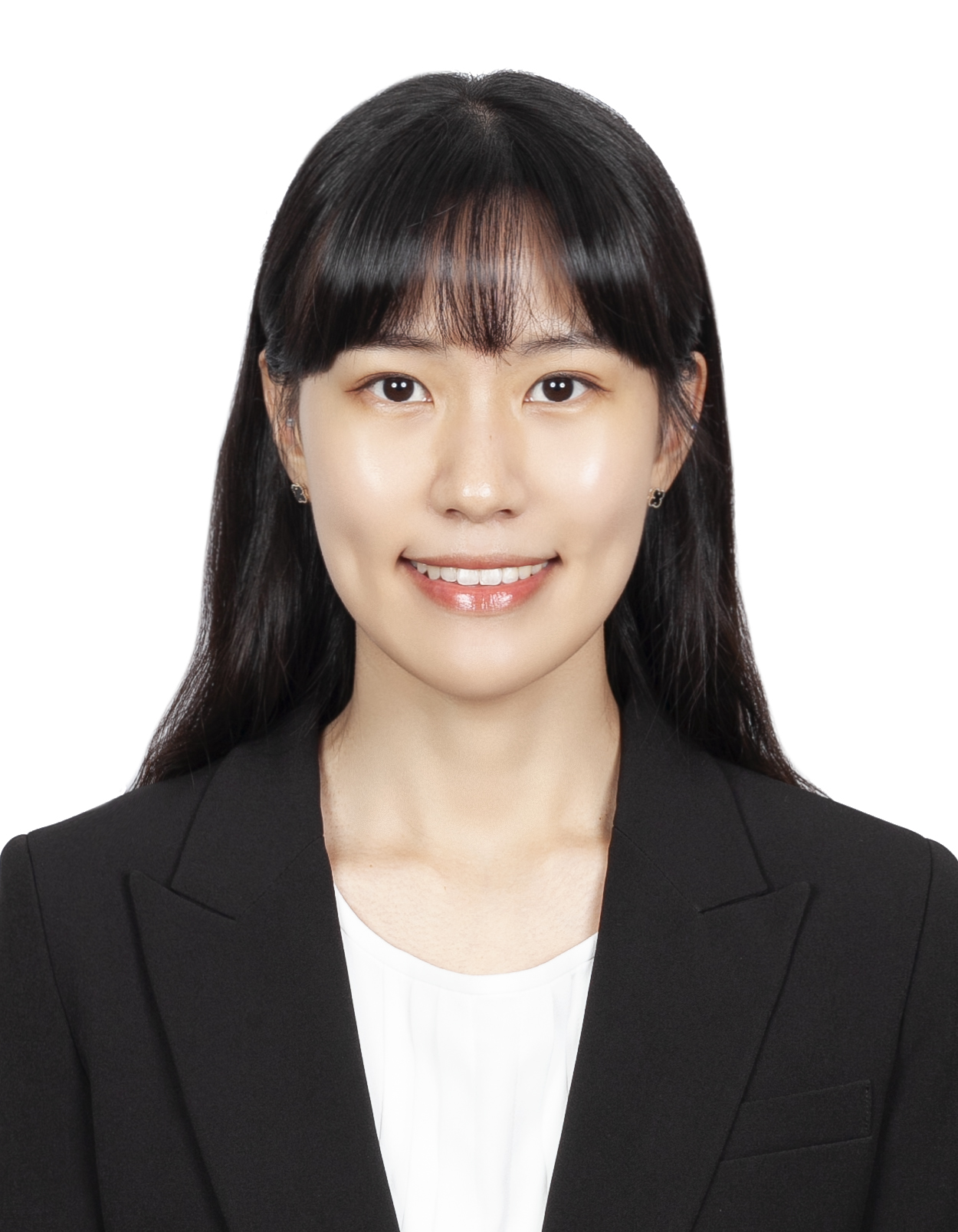
Jihwan Bae

Jason Bae

Director โ€ข Research Mentor
  • (ํ˜„) ๋ฏธ๋„ค๋ฅด๋ฐ”ํ”„๋ ™ ๋Œ€ํ‘œ์›์žฅ
  • (์ „) ํƒ‘ํด์œ ํ•™์› ๋ฉ”๋””์ปฌ ํ”„๋กœ๊ทธ๋žจ ๊ฐ•์‚ฌ
  • (์ „) ์œ„๋”์—˜๋ฆฌํŠธ AP Cal BC ๊ฐ•์‚ฌ
  • (์ „) ์„œ์ดˆ USIS AP Cal BC ๊ต์‚ฌ
  • (์ „) ์••๊ตฌ์ • ๋ธŒ๋กฌํŠผ์—๋“€ AP ๊ฐ•์‚ฌ
  • (์ „) LG์ „์ž AI ํ”„๋กœ๊ทธ๋ž˜๋ฐ ๊ฐ•์‚ฌ
  • ๋ฆฌ์„œ์น˜ ํ”„๋กœ๊ทธ๋žจ ์ „๋ฌธ ๊ฐ•์‚ฌ
  • Caltech ํ•™๋ถ€ Research Fellow
  • ๋ถ€์‚ฐ๊ณผํ•™๊ณ ๋“ฑํ•™๊ต ์กธ์—…
  • ์ •๋ถ€์ถœ์—ฐ์—ฐ๊ตฌ์†Œ AI ์—ฐ๊ตฌ์› ์ถœ์‹ 
Instructor Placeholder 1

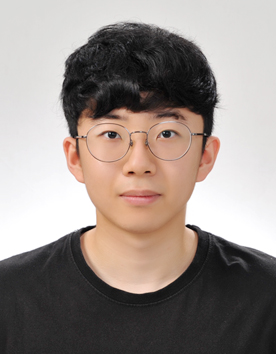
Ayaan Baik

Research Director
  • (ํ˜„) ๋ฏธ๋„ค๋ฅด๋ฐ”ํ”„๋ ™ ๋ฆฌ์„œ์น˜ ํ”„๋กœ๊ทธ๋žจ ์ด๊ด„
  • (์ „) S&S ์•„์นด๋ฐ๋ฏธ AP Statistics, Physics ๊ฐ•์‚ฌ
  • (์ „) ๋…ธ์•„์•„์นด๋ฐ๋ฏธ AP Chemistry ๊ฐ•์‚ฌ
  • (์ „) ์–ด๋ผ์šด์ฆˆํ•™์› IB Chemistry ๊ฐ•์‚ฌ
  • (์ „) ํ”„๋ฆฐ์Šคํ„ด๋ฆฌ๋ทฐ AP Chemistry ๊ฐ•์‚ฌ
  • ํฌํ•ญ๊ณต๊ณผ๋Œ€ํ•™๊ต ์ „๊ธฐ์ „์ž๊ณตํ•™ ํ•™์‚ฌ ์กธ์—…(B.S.)
  • ํฌํ•ญ๊ณต๊ณผ๋Œ€ํ•™๊ต ์˜์ƒ๋ช…ํ™”ํ•™ ๋ฐ•์‚ฌ ์กธ์—…(Ph.D.)
  • ๊ตญ์ œ์˜๋ฃŒ๊ธฐ์ˆ ํ•™ํšŒ ์ตœ์šฐ์ˆ˜ ์—ฐ๊ตฌ์ž์ƒ
  • ์‚ผ์„ฑ์ „์ž ์—ฐ๊ตฌ์› ์ถœ์‹ 
Instructor Placeholder 2

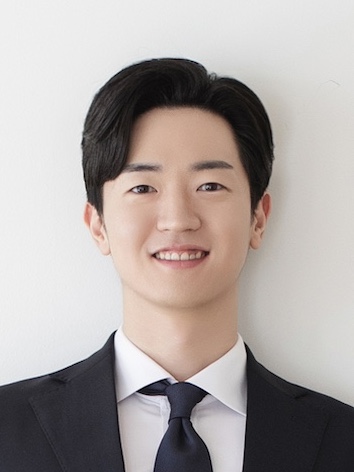
Ashley Kwon

Head Essayist
  • (ํ˜„) ๋ฏธ๋„ค๋ฅด๋ฐ”ํ”„๋ ™ ๋ฉ”๋””์ปฌ ํ”„๋กœ๊ทธ๋žจ ์ด๊ด„
  • (ํ˜„) ๋ฏธ๋„ค๋ฅด๋ฐ”ํ”„๋ ™ ์—์„ธ์ด์ŠคํŠธ
  • Columbia University ์ƒ๋ฌผํ•™ ํ•™์‚ฌ ์šฐ๋“ฑ ์กธ์—…(B.S.)
  • UC Berkeley, ๋Œ€์‚ฌ์ƒ๋ฌผํ•™ ์„์‚ฌ ์กธ์—…(M.S.)
  • AstraZeneca ์—ฐ๊ตฌ์› ์ถœ์‹ 
  • ์˜ํ•™/์ƒ๋ช…๊ณผํ•™ SCIE๊ธ‰ ๋…ผ๋ฌธ ๋‹ค์ˆ˜ ๋ณด์œ 
Instructor Placeholder 3

Kelly Lee

Bio/Chem Instructor
  • (ํ˜„) ๋ฏธ๋„ค๋ฅด๋ฐ”ํ”„๋ ™ Biochemistry ๋Œ€ํ‘œ ๊ฐ•์‚ฌ
  • (์ „) ๋Œ€์น˜ ์ปจ์„คํŒ… ๋ฉ”๋””์ปฌ ์ปจ์„คํ„ดํŠธ
  • (์ „) ์ด๋Œ๋‹ค ๊ต์œก์—ฐ๊ตฌ์†Œ ๋ฉ”๋””์ปฌ ๋ฉ˜ํ† 
  • ์—ฐ์„ธ๋Œ€ํ•™๊ต ์ƒํ™”ํ•™ ํ•™์‚ฌ ์กธ์—…(B.S.)
  • ์—ฐ์„ธ๋Œ€ํ•™๊ต ๊ณ ๋“ฑ๊ณผํ•™์› ์—ฐ๊ตฌ์› ์ถœ์‹ 
  • 2024 ํ•œ๊ตญ ์˜ํ•™๊ต์œก์ž…๋ฌธ๊ฒ€์‚ฌ ์ž์—ฐ๊ณผํ•™2 ์ˆ˜์„
  • School of Dentistry/School of Medicine ํ•ฉ๊ฒฉ
Instructor Placeholder 4

Stephen Jung

Bio/Chem Instructor
  • (ํ˜„) ๋ฏธ๋„ค๋ฅด๋ฐ”ํ”„๋ ™ AP Biology ๋Œ€ํ‘œ ๊ฐ•์‚ฌ
  • (์ „) ์ œ์ฃผ ๋‰ด์š•์•„์นด๋ฐ๋ฏธ GPA ๊ฐ•์‚ฌ
  • (์ „) ์ œ์ฃผ ๋‰ด์š•์•„์นด๋ฐ๋ฏธ AP Biology ๊ฐ•์‚ฌ
  • ์ œ์ฃผ ๊ตญ์ œํ•™๊ต ์ „๋ฌธ(NLCS, BHA, SJA, KIS) ๋ชจ๋‘ ์ง€๋„
  • ๋ถ€์‚ฐ์ผ๊ณผํ•™๊ณ ๋“ฑํ•™๊ต ์กธ์—…
  • ํฌํ•ญ๊ณต๊ณผ๋Œ€ํ•™๊ต ์ƒ๋ช…๊ณผํ•™ ํ•™์‚ฌ ์ˆ˜์„ ์กธ์—…(B.S.)
  • ํฌํ•ญ๊ณต๊ณผ๋Œ€ํ•™๊ต ์ดํ•™์‚ฌ ์ˆ˜์„ ์กธ์—…
  • School of Medicine, Cha Univ.
Instructor Placeholder 5

Justin Lee

Physics/Math Instructor
  • (ํ˜„) ๋ฏธ๋„ค๋ฅด๋ฐ”ํ”„๋ ™ Math, Physics ๋Œ€ํ‘œ ๊ฐ•์‚ฌ
  • (์ „) ์ž์‚ฌ๊ณ  ์ˆ˜๋ฆฌ๋ฉด์ ‘ ๊ฐ•์‚ฌ
  • (์ „) ๋Œ€์น˜ ๋ฆฌ์ฆˆ์ง‘ํ˜„์ „ ๊ฐ•์‚ฌ
  • ๊ฒฝ๊ธฐ๊ณผํ•™๊ณ ๋“ฑํ•™๊ต ์ˆ˜์„ ์ž…ํ•™
  • ์„œ์šธ๋Œ€ํ•™๊ต ๊ธฐ๊ณ„๊ณตํ•™ ํ•™์‚ฌ ์ˆ˜์„ ์กธ์—…(B.S.)
  • ์„œ์šธ๋Œ€ํ•™๊ต ๊ณต๊ณผ๋Œ€ํ•™ ์ฐจ์„ ์กธ์—…
  • ์ •๋ถ€์ถœ์—ฐ์—ฐ๊ตฌ์†Œ Robotics ์—ฐ๊ตฌ์› ์ถœ์‹ 
  • ์˜ฌ๋ฆผํ”ผ์•„๋“œ ์ˆ˜์ƒ์ž ์ถœ์‹ (์ˆ˜ํ•™, ๋ฌผ๋ฆฌ, ํ™”ํ•™)
Instructor Placeholder 6

Sean Shin

Economy Instructor
  • (ํ˜„) ๋ฏธ๋„ค๋ฅด๋ฐ”ํ”„๋ ™ AP Economy ๋Œ€ํ‘œ๊ฐ•์‚ฌ
  • (์ „) SAMSIN AI ๋ฆฌ์„œ์ฒ˜
  • (์ „) TALOS AI ๋ฆฌ์„œ์น˜ ์—”์ง€๋‹ˆ์–ด
  • ์„ธ์ข…๊ณผํ•™๊ณ ๋“ฑํ•™๊ต ์กธ์—…
  • ์„œ์šธ๋Œ€ํ•™๊ต ๊ฒฝ์ œํ•™ ํ•™์‚ฌ ์ตœ์šฐ๋“ฑ ์กธ์—…(B.S.)
  • KAIST ์ธ๊ณต์ง€๋Šฅ ๋Œ€ํ•™์› ์„์‚ฌ ์กธ์—…(M.S.)
  • AI ๊ด€๋ จ ๋…ผ๋ฌธ ๋‹ค์ˆ˜ ๋ณด์œ 
Instructor Placeholder 7

Steven Kang

Head Medical Research Consultant
  • (ํ˜„) ๋ฏธ๋„ค๋ฅด๋ฐ”ํ”„๋ ™ ๋ฉ”๋””์ปฌ ํ”„๋กœ๊ทธ๋žจ ๋Œ€ํ‘œ๊ฐ•์‚ฌ
  • (์ „) ๋ถ„๋‹น์ฐจ๋ณ‘์› ์—ฐ๊ตฌ์›
  • (์ „) ๊ธ€๋กœ๋ฒŒ ์ปจ์„คํŒ…ํŽŒ ์ถœ์‹ 
  • (์ „) ์„œ์šธ์•„์‚ฐ๋ณ‘์›, ์‚ผ์„ฑ์„œ์šธ๋ณ‘์› ์„œ๋ธŒ์ธํ„ด
  • ๋Œ€๊ตฌ๊ณผํ•™๊ณ ๋“ฑํ•™๊ต ์กธ์—…
  • ํฌํ•ญ๊ณต๊ณผ๋Œ€ํ•™๊ต ์ƒ๋ฌผํ•™ ํ•™์‚ฌ ์ˆ˜์„ ์กธ์—…(B.S.)
  • ํฌํ•ญ๊ณต๊ณผ๋Œ€ํ•™๊ต ์ „์ฒด ์ฐจ์„ ์กธ์—…
  • ํ•œ๊ตญ์ƒ๋ฌผ์˜ฌ๋ฆผํ”ผ์•„๋“œ(KBO) ๊ตญ๊ฐ€๋Œ€ํ‘œ ์ƒ๋น„๊ตฐ ์ถœ์‹ 
  • ์˜ํ•™ SCIE ๋…ผ๋ฌธ ๋‹ค์ˆ˜ ๋ณด์œ 

Projects

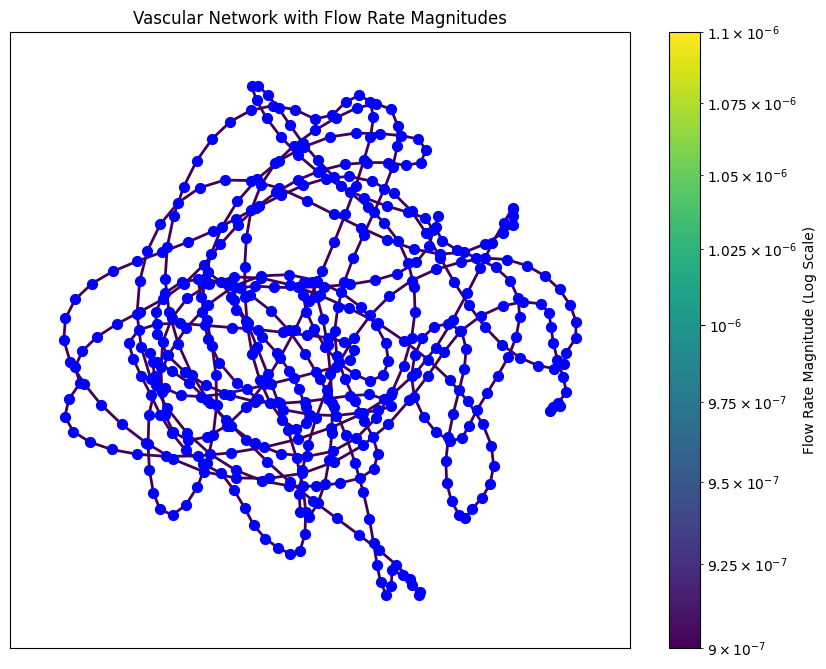
Vascular Network
๐Ÿ† 1st Place at the Dover Science Conference ๐Ÿ†

Angiogenesis Modeling by Region-Specific Vascular Dynamics

Angiogenesis, the formation of new blood vessels, is critical for cancer progression and metastasis. This study investigates how location-specific vascular dynamics, such as pressure gradients and flow rates, influence angiogenesis rates. Using computational modeling, vascular networks were simulated for different body regions, including arms or legs, kidneys, and lungs, employing biophysical equations like Hagen-Poiseuille's law. The results show that regions with lower pressure gradients (e.g., lungs and arms/legs) exhibit faster angiogenesis due to hypoxia-driven compensatory mechanisms, while highly perfused regions (e.g., kidneys) demonstrate slower angiogenesis despite higher pressure gradients. These findings highlight that angiogenesis is not solely pressure-driven but influenced by the interplay of hypoxia and vascular regulation. This study provides insights into how tumor location impacts angiogenesis and metastasis, offering a foundation for tailoring anti-angiogenic therapies and advancing our understanding of vascular dynamics in cancer progression.
Gingivitis
๐Ÿ† Best Paper Award at the KIICE Conference ๐Ÿ†

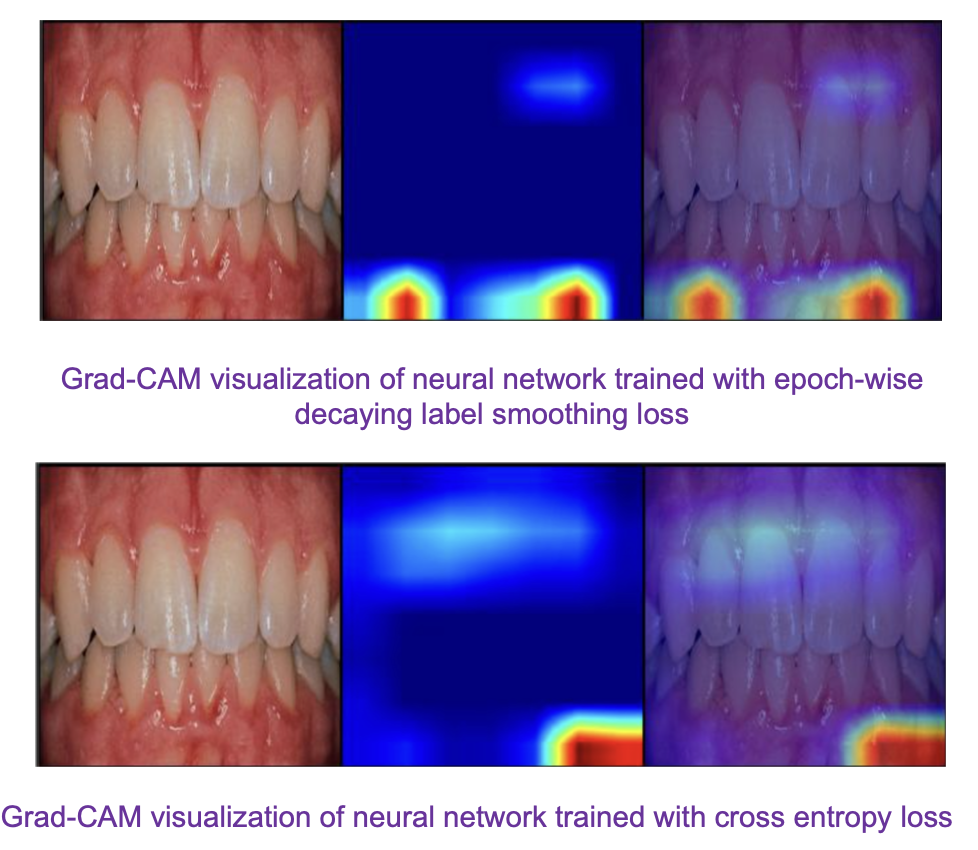
Calibration for Gingivitis Binary Classifier via Epoch-wise Decaying Label-Smoothing

Future healthcare systems will heavily rely on ill-labeled data due to scarcity of the experts who are trained enough to label the data. Considering the contamination of the dataset, it is not desirable to make the neural network being overconfident to the dataset, but rather giving them some margins for the prediction is preferable. In this paper, we propose a novel epoch-wise decaying label-smoothing function to alleviate the model over-confidency, and it outperforms the neural network trained with conventional cross entropy by 6.0%.

Dentiphone
๐Ÿ† 1st place at the National AI Dental Industry Idea Competition (Over 300 participating teams) ๐Ÿ†

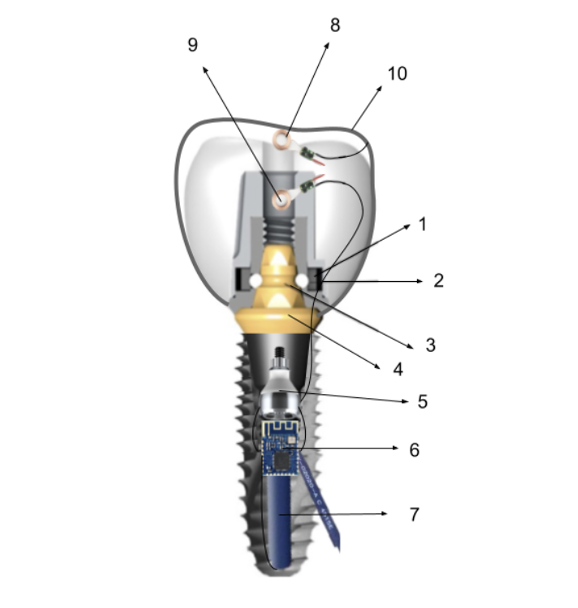
AI-Powered Bone Conduction Hearing Aid Based on a Micro-Locking Implant System

Age-related hearing loss is a major geriatric issue, yet hearing aid use among the elderly remains below 12% due to discomfort, poor clarity, and high cost. Team Dentiphone proposes an AI-driven bone conduction hearing aid integrated into a Micro-Locking dental implant system to address these challenges. The device incorporates a Bluetooth 5 module, vibration motor, micro-battery, and PVDF-TrFE piezoelectric film within a detachable implant abutment. It enables energy harvesting through chewing and wireless charging while transmitting AI-enhanced stereo sound via smartphones and wearables. Using Audio Super-Resolution and compressed sensing, it minimizes signal loss and enhances speech perception. This system offers a non-invasive, cost-effective alternative to conventional bone-anchored hearing aids and aligns with the rapidly growing global market for smart healthcare and hearing restoration technologies.

tb
๐Ÿ† 2nd place at the Smart Tuberculosis Management Solution Idea Competition (ahead of top medical AI firms in Korea) ๐Ÿ†

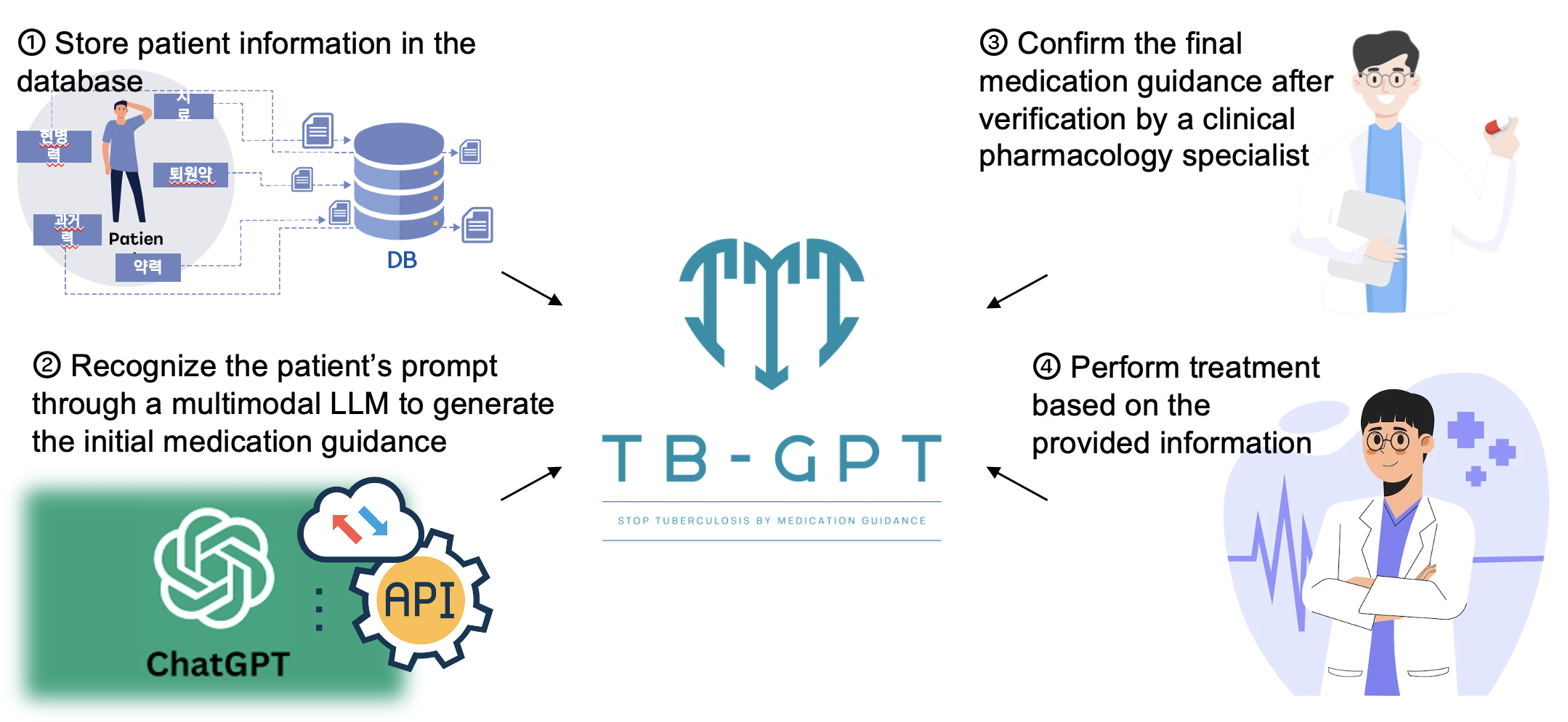
A Multimodal LLM-Based Smart Management System for Enhancing Medication Adherence in Tuberculosis Patients

Tuberculosis (TB) treatment often fails due to poor medication adherence caused by side effects, complex dosing, and limited accessibility. TB-GPT is a multimodal LLM-based chatbot developed to improve adherence and communication during treatment. Patient information is stored in a secure database, and the patientโ€™s prompt is analyzed by the LLM to generate initial medication guidance. A clinical pharmacology specialist then reviews and confirms the final version. Through the chatbot interface, patients receive real-time feedback, allowing continuous monitoring and timely management of side effects. This system effectively reduces healthcare workload, enhances accessibility, and provides a scalable framework for AI-driven therapeutic support applicable to other chronic diseases.

Publications

Aspirin & Lung Cancer Risk

Aspirin-modulated COX-2 Dynamics under PM2.5 Exposure for Lung Cancer Risk

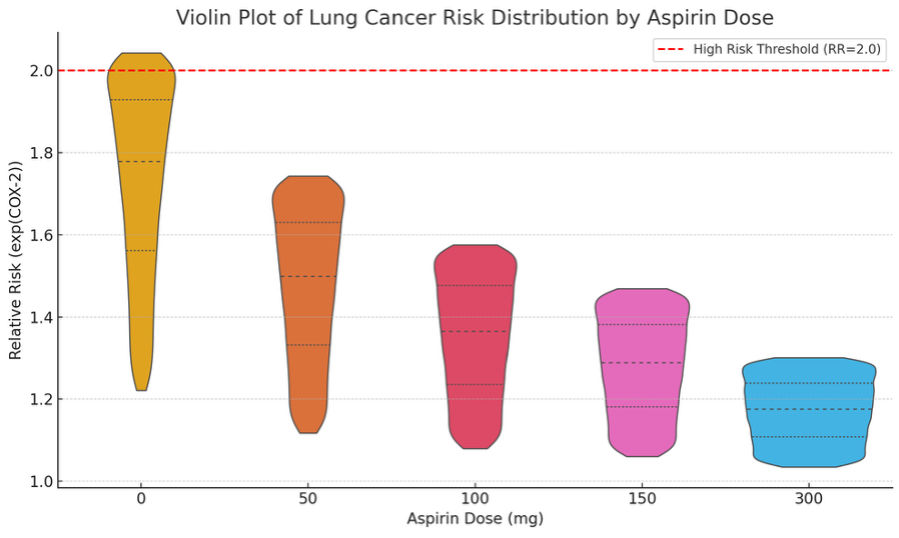
Lung cancer remains one of the leading causes of cancer-related mortality worldwide. Epidemiological studies have established a significant correlation between exposure to fine particulate matter (PM2.5) and an increased risk of lung cancer. Notably, PM2.5 derived from wildfire smoke has been shown to exhibit greater toxicity than PM2.5 from other sources, due to its higher oxidative potential and pro-inflammatory composition. The COX-2 enzyme, a crucial mediator of inflammation, is known to be upregulated in response to PM2.5 exposure, promoting tumorigenesis. This study employs a mathematical modeling approach to describe COX-2 induction using a modified Michaelis-Menten equation, incorporating real-world clinical hazard ratios. Furthermore, the inhibitory effect of aspirin, a nonsteroidal anti-inflammatory drug (NSAID), is modeled to determine its potential role in mitigating lung cancer risk. Monte Carlo simulations are conducted to evaluate variability in exposure-response relationships. Our results suggest a dose-dependent reduction in COX-2 levels with aspirin intake, which correlates with a significant decrease in estimated lung cancer risk. These findings provide a quantitative framework for understanding environmental risk mitigation and suggest potential pharmacological intervention strategies.

Solar

Solar Energy Forecasting in Gwangju Using PM10 Data and Physics-Informed Neural Networks

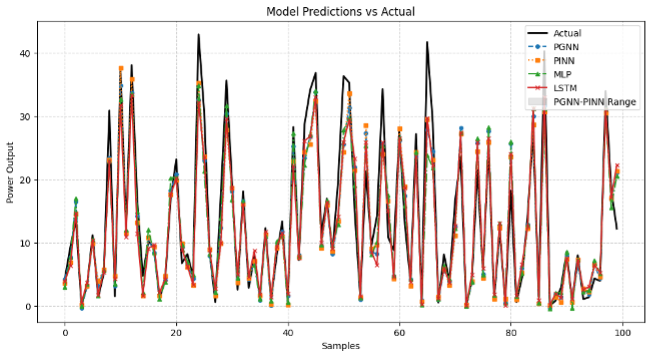
Accurate solar power forecasting is essential for stable grid operation and the efficient integration of renewable energy sources. While traditional data-driven models often neglect atmospheric influences such as particulate pollution, this study investigates the impact of PM10 on solar energy development in Gwangju, South Korea. We construct a novel dataset merging solar, weather, and air quality data from 2017 to 2024 and evaluate multiple deep learning models, including a Multi-Layer Perceptron (MLP), Long Short-Term Memory network (LSTM), Physics-Guided Neural Network (PGNN), and Physics-Informed Neural Network (PINN). PGNN and PINN incorporate the Beerโ€“Lambert law into the loss function to enforce physical consistency between solar irradiance, pollution concentration, and power output. Results reveal that the MLP achieved the lowest mean squared error, outperforming even physics-augmented models, while PINN exhibited the highest error due to over-constraining. This work is among the first to integrate PM10 data and physics priors into a solar energy forecasting pipeline for Korea, offering a reproducible methodology that balances accuracy and interpretability. The full dataset and implementation will be released publicly upon publication to encourage further research in physics-informed solar modeling.

Turbulence

Redefining the Data Foundations of Turbulence Research: A Physics-Informed Active Sampling Approach

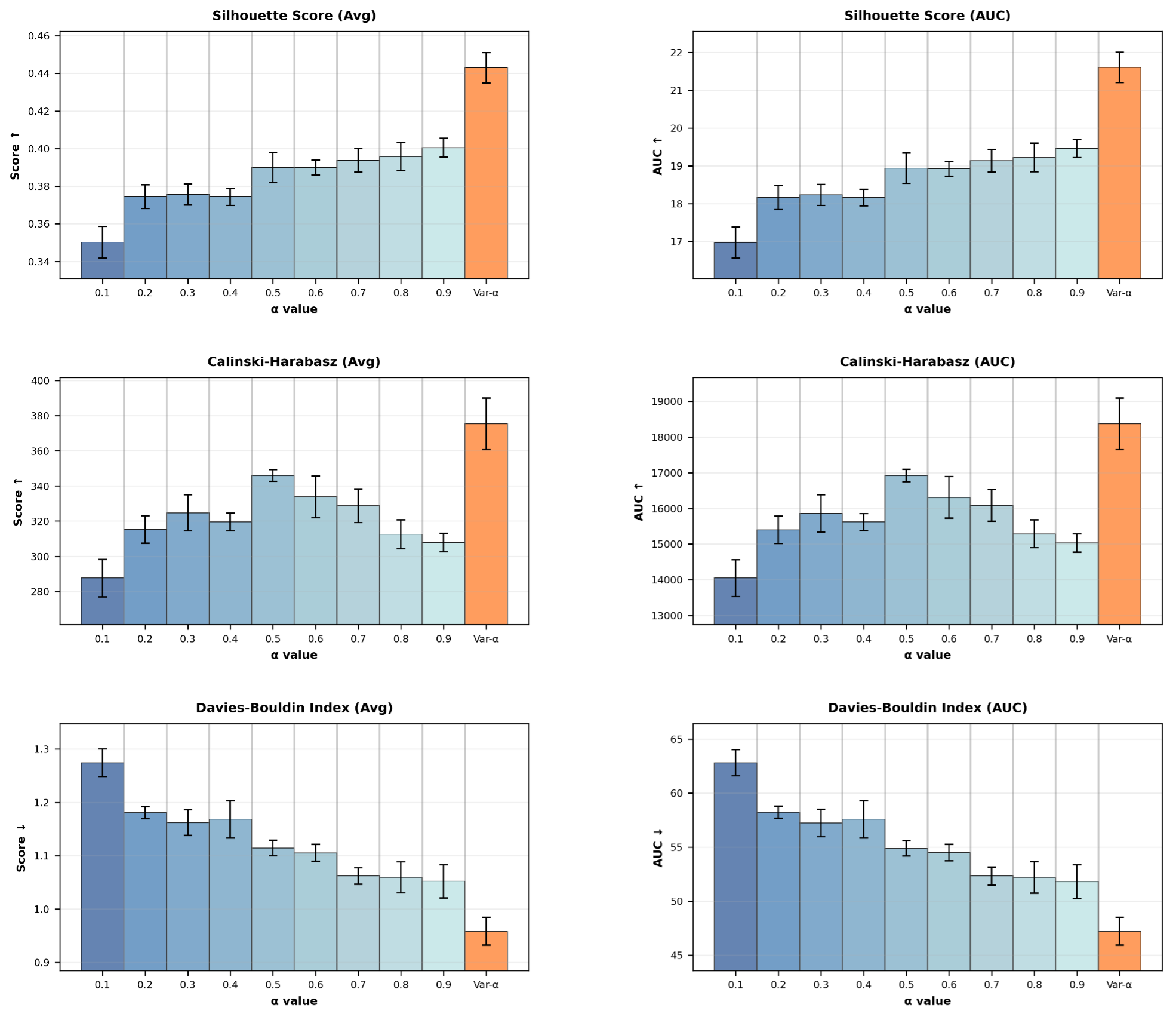
Poorly organized flight-state data remain a major obstacle in the reliable prediction of aviation turbulence, as instability-prone flight conditions are often buried among abundant routine operations. When these rare but critical states are obscured, predictive models fail to recognize the aerodynamic patterns that precede turbulence, reducing sensitivity to real-world hazardous events. This study explores whether combining uncertainty-based active sampling with physics-informed selection criteria can yield more coherent and structurally organized datasets, in which physically distinct rare states emerge as well-represented groups separate from routine operational data, thereby enhancing both dataset diversity and the physical interpretability of data groupings. Flight data were processed through a dual-layer sampling framework that assigns adaptive weighting to statistical uncertainty and aerodynamic relevance, and selected datapoints were represented in a multidimensional feature space using kmeans clustering to evaluate improvements in data organization. Results showed that this combined approach produced clearer separation between physically distinct flight regimes and yielded higher clustering quality metrics than conventional sampling. Beyond these results, the core contribution of this work is its pioneering natureโ€”it introduces machine-driven active sampling with physics-informed reasoning at the data-preparation stage, a direction rarely explored in aerospace research. The scope of this study is specifically focused on evaluating whether combining uncertainty-based and physics-informed sampling can improve dataset structural quality, as measured through clustering coherence metrics (e.g., silhouette score, Calinski-Harabasz index, Davies-Bouldin index), rather than directly assessing downstream predictive model performance. This study should therefore be regarded as a proof-of-concept that examines the potential of adaptive, physics-aware data curation strategies to enhance the intrinsic organization and coherence of turbulence datasets, establishing a foundation for future work on turbulence modeling.

Contact

์ปจ์„คํŒ…/์ž๋ฃŒ ๊ด€๋ จ ๋ฌธ์˜๋ฅผ ๋‚จ๊ฒจ์ฃผ์„ธ์š”.

  • ์ด๋ฉ”์ผ: mierojihan1008@gmail.com
  • ์ƒ๋‹ด ๊ฐ€๋Šฅ: ์›”โ€“๊ธˆ 10:00โ€“18:00 (KST)
  • ์‘๋‹ต: ์˜์—…์ผ ๊ธฐ์ค€ 24์‹œ๊ฐ„ ์ด๋‚ด